

Seed Viability 101
Seeds are all around us. We eat peas, beans, corn, sunflower seeds and pumpkin seeds throughout our lives without thinking much about it. With each churn of the soil, new life springs up in the form of weeds or maybe a volunteer vegetable, a reminder of last year’s cherry tomatoes that fell to the ground. These are all possible because of the power of seeds, and with great power comes great responsibility! Responsibility to store them properly, that is.
Where you house seeds makes a difference: the better your storage conditions, the longer your seeds stay viable. No seed will stay viable forever; rather, they are more likely to last until their maximum shelf life and maintain their original germination rates with proper storage. Each kind of seed has a different shelf life and germination rate. Take this Tokyo Market Turnip, for example; you can see on the packet that it boasts a high germination rate, 98%.
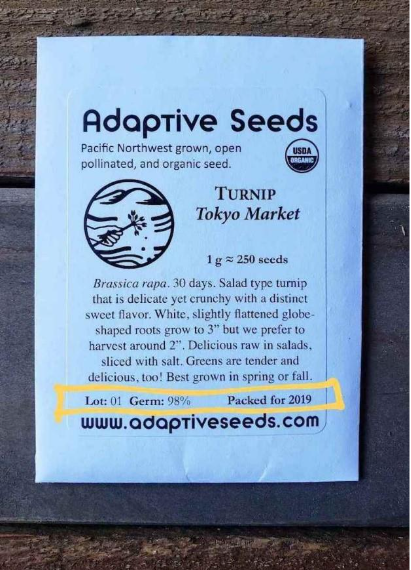
Storing these seeds properly will ensure that their germination rate stays consistent and that the seeds will be viable for up to 5 years, the maximum expected lifespan of turnip seeds. Brassica seeds (turnips, kale, radishes, broccoli, cauliflower, etc.) stay viable for around 4-5 years; allium seeds (leeks, onions, garlic) only stay viable for 1-2 years; and tomato seeds can last up to 8 years. Check major seed companies’ websites (Johnny’s Selected Seeds, High Mowing, Fedco) for seed viability charts and more information.
Ideal Seed Storage Conditions
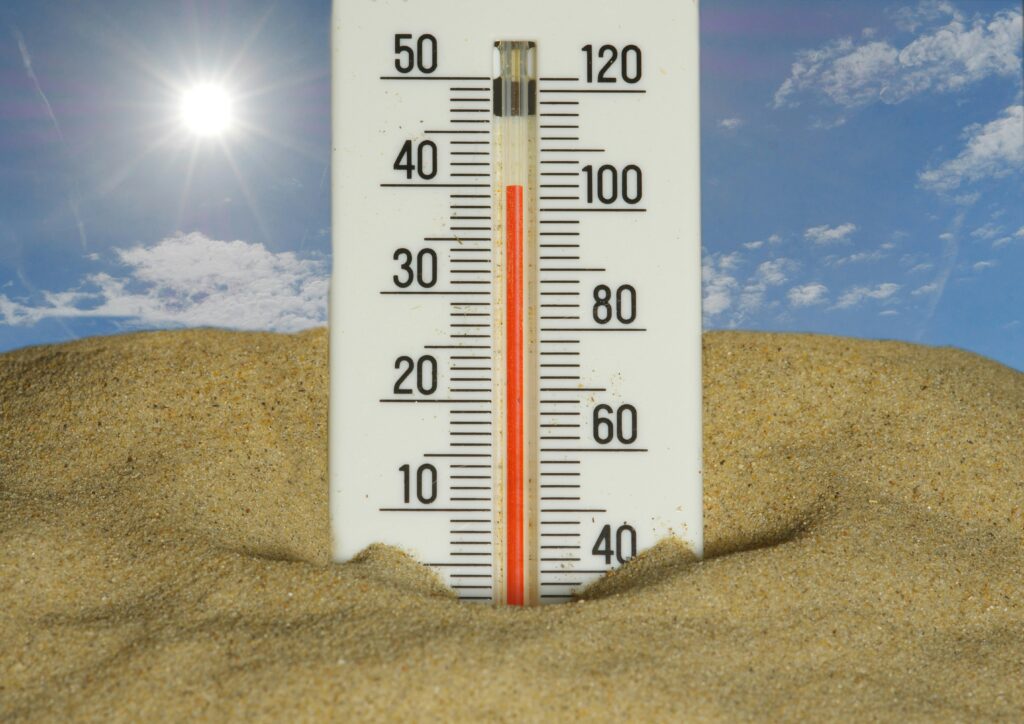
It is best to keep seeds in cool, dry, and dark conditions. High temperatures and high moisture are the greatest threats to seed storage. Fluctuating temperatures and different levels of moisture will cause the seed germination rate to decrease quickly. A good rule of thumb is that the sum of the temperature and relative humidity should not exceed 100. For example, although it is mild and cool during winters in Western Washington, it is very humid. On a day in January there might be a high of 51°F with relative humidity of 81%, which adds to 131. During the summer in Eastern Washington, in contrast, it might reach 90°F with a relative humidity of 25%, adding to 115. In both cases, you need to decrease either the temperature or the humidity to store your seeds safely. In general, exposing seeds to the changing weather is not conducive to long-term seed viability.
Another factor to consider is the type of container to store seeds in. Ideal seed containers are airtight and moisture resistant. For the best storage, remove seeds from the paper envelopes they typically come in when purchased and use glass or metal instead. Glass jars are the most common and economical choice, since you can simply reuse leftover jam, drink, or sauce jars. You can also reuse the silica gel packets often placed in dried food items or clothes to absorb moisture. Lastly, ensure your seeds are stored away from sunlight. Complete darkness isn’t necessary but keeping them out of the sun helps maintain a more stable environment. Overall, it is best to store seeds in a cool, dry, and dark place to preserve their longevity.
Seed Germination Test
Even if your seeds are far past their prescribed shelf life doesn’t mean they won’t sprout! Seeds might still germinate long past expected; there was even a 2,000-year-old Judean date palm seed (Phoenix dactylifera L.) found in Masada, an ancient fortress overlooking the Dead Sea, that was germinated in 2005! So, when in doubt, conduct a germination test. It is very easy to do, and requires only seeds, a wet paper towel, a pen/marker, and a sealable plastic bag.
To conduct a germination test, first moisten the paper towel. Be sure to squeeze out excess moisture, so the paper towel is damp but not soaked. Lay the towel flat and place 10 seeds on it, all of the same variety, with a small amount of space between each seed. Roll or fold the paper towel so that the seeds are completely enveloped, then place the towel in the plastic bag and seal it. Finally, take a pen or marker and label the bag with the plant name and start date of the germination test. Place the bag on your kitchen counter and wait!
Check on your seeds every couple of days until a week has passed, then check them every day. Keep in mind that different seeds have different ‘germination times’, or the average amount of time it takes to germinate. For example, lettuce tends to sprout in 3-10 days while lavender seeds can take 3-6 weeks. Once you have approached the end of the standard germination time for your seeds, note how many have germinated. If only 1 has germinated, your seeds have a 10% germination rate. If 8 seeds have germinated, they have an 80% germination rate. You now know how viable your seeds are and can use this knowledge to predict how well they will sprout! If your seeds have a low viability rate, you may consider using more than the recommended amount to ensure they germinate. This saves you from buying more seeds and gives you a better idea of how to plan out the coming growing seasons. In this way, conducting germination tests can help you save time, effort, and money.

Just like humans, a seed’s growth depends on their treatment and environment. With proper care, they can grow and flourish to feed us and the wildlife around them; they just need a little consideration.
References
- Ashworth, Suzanne. Seed to Seed: A Guide to Saving Seeds. Seed Savers Exchange, 2002.
- Porteous G, Nesbitt M, Kendon JP, Prychid CJ, Stuppy W, Conejero M, Ballesteros D. Assessing Extreme Seed Longevity: The Value of Historic Botanical Collections to Modern Research. Front Plant Sci. 2019


