The Significance of Wendell Berry’s Life and Work
By Melissa Spear, Executive Director
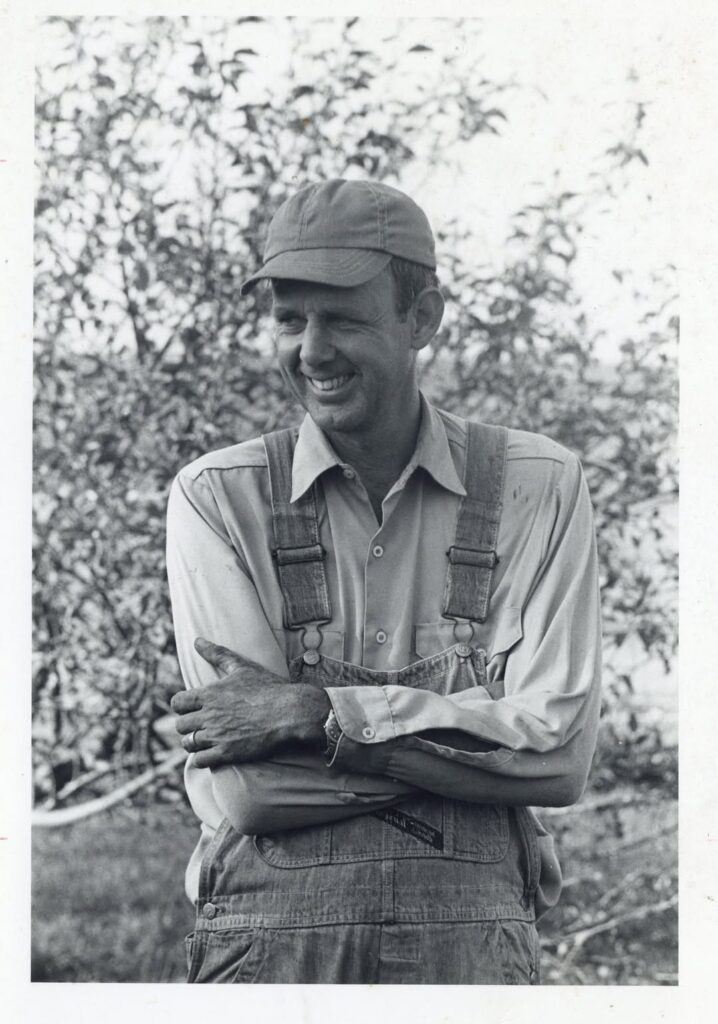
I don’t know that I can add much to the outpouring of love, grief and reverence that has flooded my inbox over the past week in response to Wendell Berry’s passing. I am among those committed to his vision of a food system rooted in community, meeting local needs, and working collaboratively with the natural systems upon which we all rely. His ability to communicate this vision with poetic and emotional grace and with humble yet powerful intention resonated deeply and retained relevance for multiple generations over many decades.
I recall him visiting Yale University while I was there earning a master’s degree from what was then the School of Forestry and the Environment. As an older student, I was struck by the enthusiasm and reverence with which my 22- and 23-year-old classmates met his visit. It made clear that his vision for agriculture, and for humanity, reached across generations, ideologies, socioeconomics, and geographies.
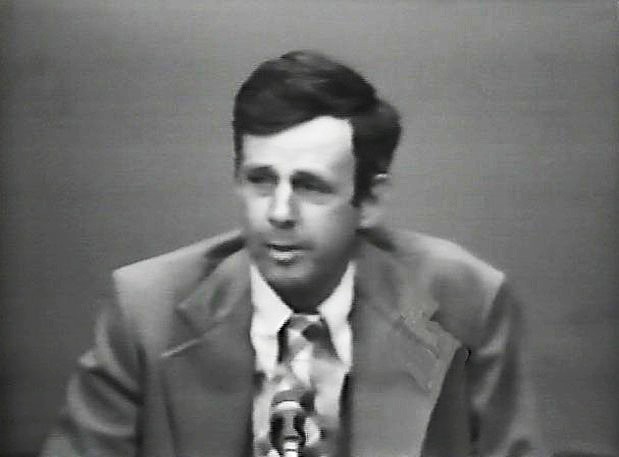
Years later, Wendell Berry has had a particular relevance to me in my role as Executive Director of Tilth Alliance. It was a talk he gave in 1974 at the Agriculture for a Small Planet Symposium in Spokane, WA, that planted the seeds that grew into the organic movement here in Washington – a movement out of which Tilth Alliance was born. After decades of hard work, it was this movement that led to the establishment of Washington’s State Organic Program in 1986 as well as the National Organic Program and the USDA Organic Seal in 2002.

Today, Washington State is an organic powerhouse with almost 900 organic farms cultivating over 140,000 acres using practices that are largely aligned with much of Wendell Berry’s vision for a “better kind of agriculture.” I feel proud to live in the state that is second in the nation for organic farmgate sales, and number one in production of organic apples, cherries, pears, peas and sweet corn. I am thankful for the bounty of organic foods I have to choose from every time I shop at my local co-op. It’s a wonder to think that the vibrant organic sector in Washington today is the result of a movement sparked by that one talk Wendell Berry gave 52 years ago.
It is important that we continue to celebrate and honor the accomplishments of the organic movement Wendell inspired here in Washington. It has accomplished transformational change. And yet, for all that has been accomplished, only 2.7% of Washington farms are organic, only 3.2% of Washington’s agricultural acres are farmed organically, and only 7.8% of all farmgate sales are from organic products. As I grieve the loss of Wendell Berry and commemorate his profound influence on the first organic movement, I wonder: Where will the spark come from that catalyzes the next organic movement? Because a new movement is needed. The next organic movement must go beyond simply addressing “how we farm” and challenge the many systems preventing the type of farms Wendell envisioned from thriving. Farms owned and operated by farmers and their families, that are rooted in community, serving their local and regional markets, using organic practices.

What would have to change for 25%, or even 50%, of farms in Washington to meet these criteria? To have 25% of all agricultural acres farmed by these farmers? To have 25% of farmgate sales generated by these farms? It would certainly require transformational change to the way we’re currently allocating resources. It would require successfully standing up to the powerful special interests that profit from the status quo. It would require a profound shift in the way many consumers choose to eat. It would require accepting the true cost of producing healthy food, while at the same time addressing the challenges of food access and food security.
Making progress like this will absolutely require a movement. It will require true collective action. It feels daunting, and sometimes even impossible. But I think of those farmers in 1974 listening to Wendell speak, and the challenges they had to overcome to build an organic movement and I realize it’s not so different from what we face today. And that gives me hope that the food system we are working toward will be realized. Wendell Berry may have passed, but I know he is still here with us in spirit, providing inspiration to the next organic movement – the one we can start building together today.