Soil & Water Stewardship: A Year in Review
In 2025, 43 community leaders came together through Tilth Alliance’s Soil & Water Stewardship program to learn many ways to care for local soils and water systems, and to build community around environmental care.
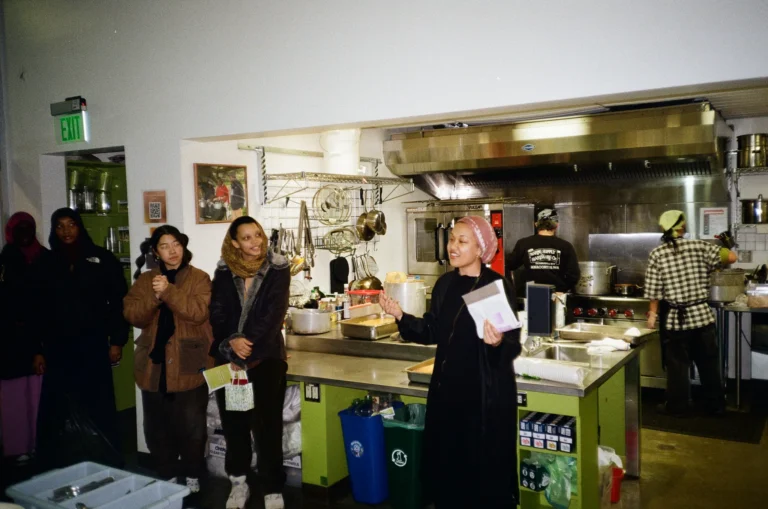
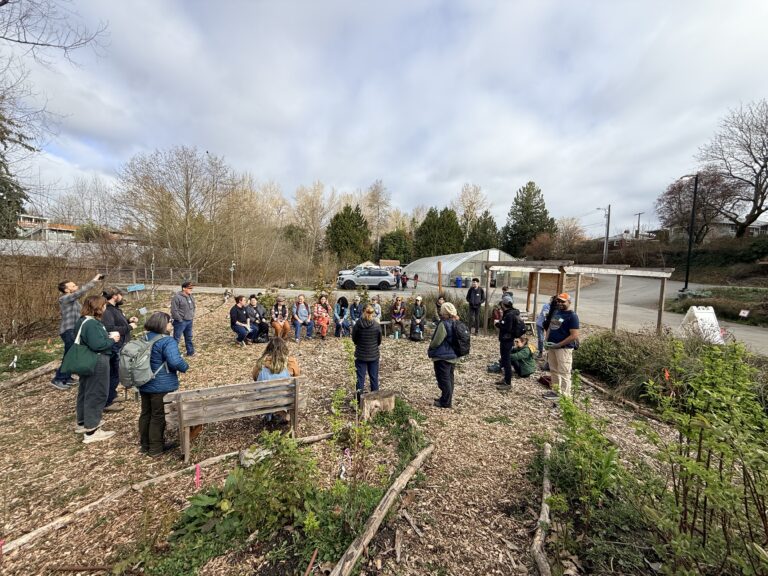
From March through October, stewards gathered one weekend each month to learn about and transform community gardens and restoration projects throughout King County. Along the way, stewards deepened an understanding of the systems that shape local communities and how to take meaningful action to care for the environment.

During the monthly online training that featured Tilth Alliance staff and expert guest instructors, Soil & Water Stewards explored:
- Food sovereignty, agricultural history, and racial capitalism to envision a more equitable food system.
- The fundamentals of soil health and soil contamination issues in King County and techniques for remediation that use natural systems (bioremediation).
- Water conservation, rainwater harvesting and climate-resilient irrigation for residences and community gardens.
- Various ‘waste streams’ in King County such as recycling, composting, landfill and wastewater treatment.
- Techniques for organic gardening, including growing perennial foods, integrated pest management and seed saving to cultivate more resilient gardens.
- Diverse composting systems from worm bins to hot compost for food scraps and yard debris.
- Traditional Ecological Knowledge, Native Sciences and Social Forestry to ground us in the ancestral practices of this region and explore how we can work together in harmony with nature to build a more ecologically just future.
These lessons were meant to challenge preconceived notions and empower stewards with information that inspires action and change.
Learning → Action
Soil & Water Stewards completed hands-on projects each month to support community gardens and habitat restoration efforts. Each project was an opportunity to apply concepts they learned and make a tangible impact.
Working together at community partner sites, stewards:
- Built accessible garden beds in Burien and Bellevue for neighbors of diverse ages, abilities and cultural identities to grow food
- Planted 350 native plants to restore habitats and support biodiversity in Kirkland and Rainier Beach
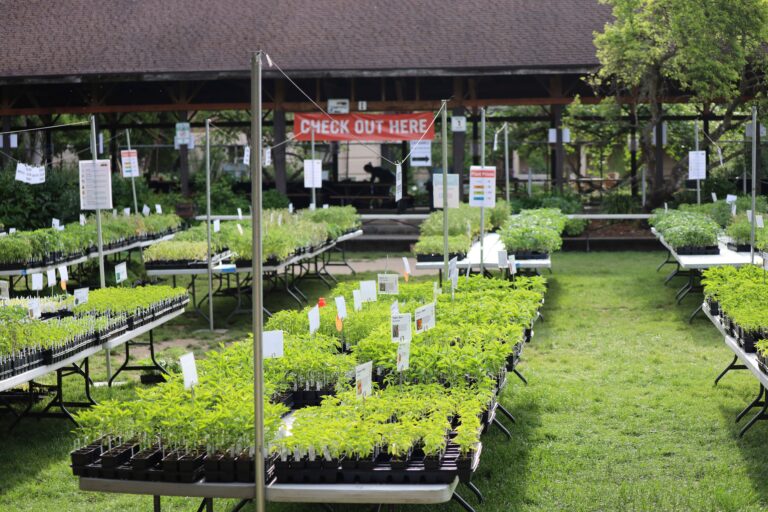
- Sowed 5,000+ seeds for Tilth Alliance’s Culturally Relevant Plant Starts that were distributed to participants across King County
- Potted bare root plants and installed drip irrigation for the edible plant nursery at Rainier Beach Urban Farm & Wetlands
- Harvested 500+ pounds of produce from Eastside community gardens for Hopelink Food Market
- Created and maintained pollinator-friendly gardens to protect the insects that keep food systems thriving
- Installed cisterns and rain barrels to slow the flow of heavy rains and conserve water
- Built lasting collaborations to form a strong network of Soil & Water Stewards
These actions supported community led organizations, school gardens, and parks across South and East King County, leaving each place more alive, more abundant, and more loved.

A Growing Movement
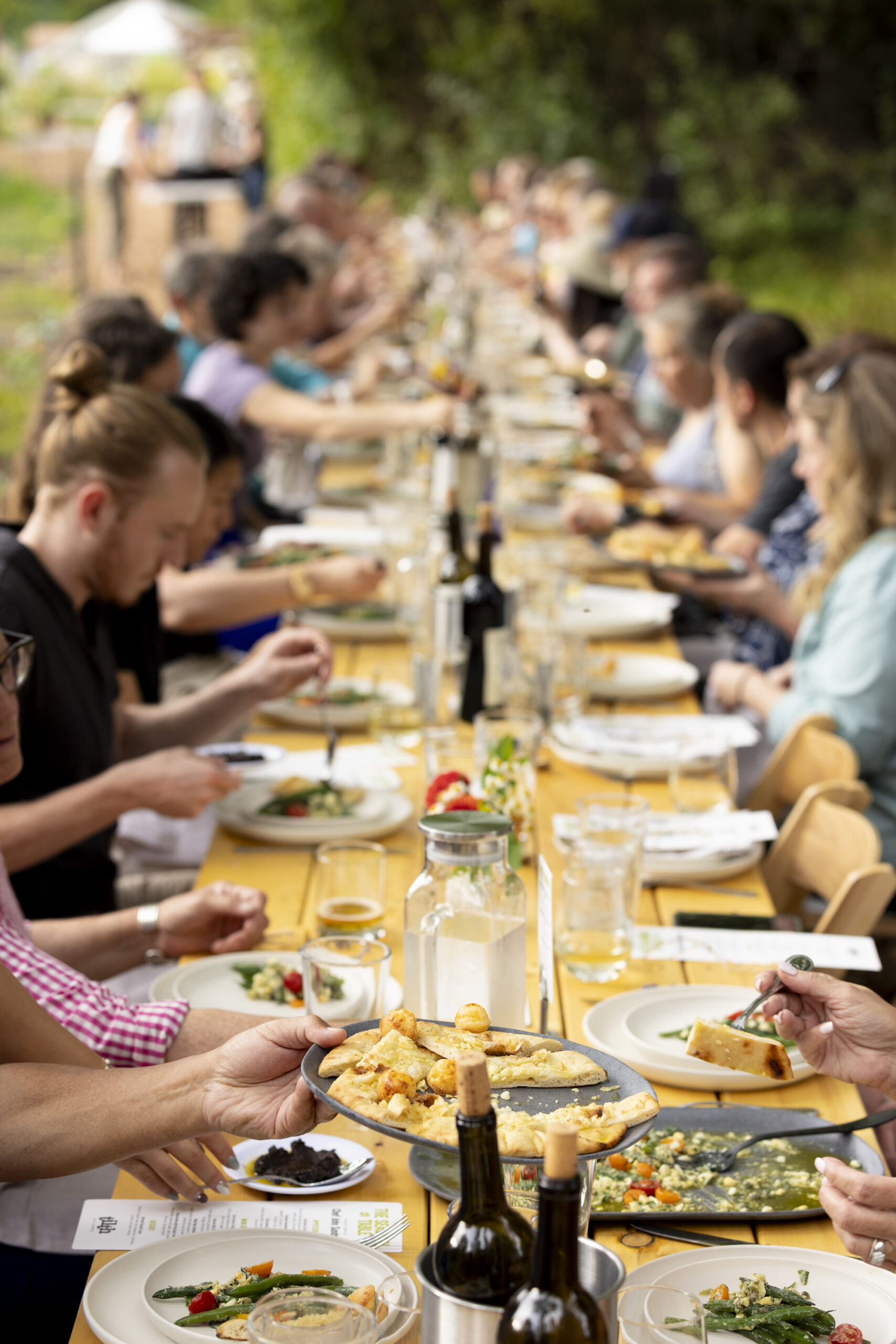
This program is more than a training—it is a growing community of stewards who believe in healing our soils, waters, and one another. We learned that stewardship begins with building understanding, deepens through cultivating relationships and becomes powerful through collective action.
We leave this season with full hearts, rooted knowledge, and lifelong connections. Together, we are tending a future where all people and ecosystems can thrive.

Your Turn
Is the Soil & Water Stewardship program calling you? We need more hearts and hands to join our growing community. Anyone with the following qualifications is welcome to apply.
- Interest in environmental and food systems issues
- Enthusiasm for collaborating with diverse community members and partner organizations
- Willingness to commit to the entire program. This includes both the Wednesday evening online sessions and the Saturday hands-on projects from March until October
- Commitment to community service and engagement as a means to promote change
- Residence in King County
Let’s grow a more just, abundant, and regenerative future—together.